
Exploring the psychology behind risk-taking in casino environments
The Allure of Risk in Casinos
Casinos are designed to create an atmosphere that is both exhilarating and enticing, drawing individuals into an environment that thrives on risk. This allure is rooted in psychological principles that suggest humans are naturally drawn to uncertainty and excitement. The prospect of winning a substantial payout can trigger the release of dopamine, a neurotransmitter associated with pleasure and reward, further fueling the desire to engage in risky behaviors. Such stimuli can lead to repeated visits and escalating wagers as individuals chase that high. Among the various games available, chicken road 2 stands out for its engaging gameplay and unique challenges.

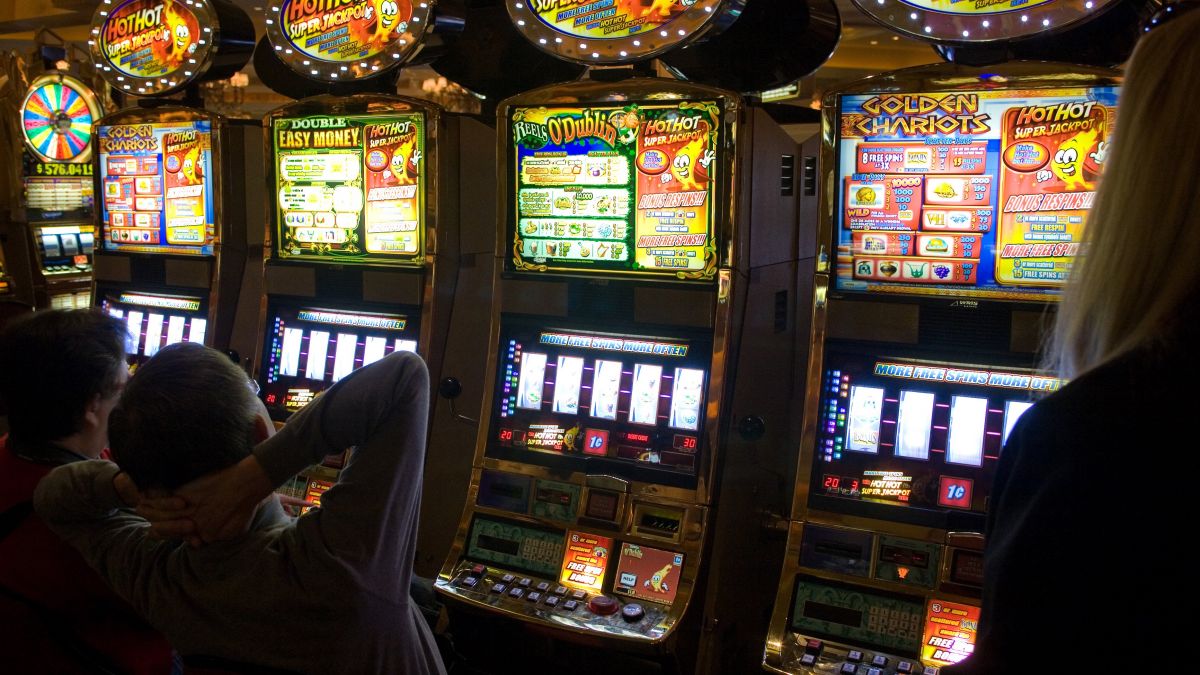
The visual and auditory elements of a casino environment play a significant role in heightening this allure. The bright lights, vibrant colors, and sounds of spinning reels or rolling dice create an immersive experience. This sensory overload can lead to a state of heightened arousal, making individuals more prone to take risks. The ambiance not only reinforces the excitement associated with gambling but can also create a sense of urgency, prompting players to make impulsive decisions without fully considering the consequences.
The Role of Cognitive Biases
Cognitive biases significantly influence how individuals perceive risk in casino settings. One of the most notable biases is the illusion of control, where players believe they can influence outcomes in games of chance. For instance, a gambler might feel they can sway the results of a slot machine by pulling the lever with a particular technique or timing. This belief can lead to increased risk-taking as players feel empowered by their perceived influence over random events.
Another cognitive bias prevalent in gambling is the gambler’s fallacy, which involves the mistaken belief that past events can influence future outcomes. For example, if a player observes a series of losses, they may feel that a win is “due,” leading them to wager more aggressively. Such biases can distort judgment and encourage players to engage in riskier behaviors, often resulting in significant financial losses.
Emotional Factors in Risk-Taking
Emotions play a pivotal role in risk-taking behavior within casinos. The thrill of the game can elicit a range of feelings, from excitement to anxiety, influencing how much risk a player is willing to accept. Positive emotions like exhilaration can lead to increased confidence and a desire to take larger risks, while negative emotions may push individuals to chase losses in a bid to regain control. This emotional rollercoaster can create a cycle of risk-taking that is hard to break.
Moreover, social interactions in casinos can amplify emotional responses. The presence of other players, cheering crowds, and the shared experience of a big win can enhance feelings of camaraderie, which may encourage further risk-taking. Conversely, isolation can lead to a more introspective approach, where individuals may overanalyze their decisions, potentially increasing anxiety and inhibiting rational risk assessment.
The Impact of Environment and Design
The physical design of a casino also influences risk-taking behavior. Elements like layout, accessibility to games, and the positioning of high-stakes tables can guide players toward riskier options. For instance, games that are strategically placed near entrances or high-traffic areas tend to attract more players, often leading them to gamble in ways they might not have considered otherwise.
Additionally, features such as free drinks and complimentary amenities encourage longer stays and increased spending. The absence of clocks and windows creates a sense of timelessness, allowing players to lose track of time and dive deeper into their gambling experience. This manipulation of the environment contributes to a culture of risk-taking that is integral to the casino experience.
Conclusion and Future Insights
Understanding the psychology behind risk-taking in casino environments can shed light on broader behavioral patterns in various contexts. As casinos continue to evolve, incorporating advanced technologies and marketing strategies, the interplay between psychology and risk will remain a crucial area of study. Insight into these dynamics can help develop responsible gambling initiatives, promoting healthier gambling practices.
Ultimately, exploring the psychology behind risk in gambling environments reveals the complexities of human behavior and decision-making. As we delve deeper into these influences, it becomes increasingly important to foster awareness and education surrounding the risks associated with gambling, ensuring a safer and more informed experience for all players. By considering games like chicken road 2, players can engage in fun while understanding the importance of risk management.
